Play

What Strategic Investors Look Before Buying Off the Plan

KEY TAKEAWAYS

  • Strategic investors aren’t reacting to headlines, they’re responding to data. Population growth, tight rental supply, and rising yields are reinforcing demand for well-located off-the-plan stock in SEQ.
  • Micro-location insights beat suburb-wide stats. Proximity to transport, green space, and rental competition within the immediate catchment shape real-world performance.
  • Design drives leasing performance. Floorplans that support hybrid living, natural light, and privacy lease faster and retain tenants longer, especially in inner-urban areas.
  • Long-term relevance is non-negotiable. The best assets are designed to perform across tenant types, income cycles, and market conditions, becoming stable foundations in high-performing portfolios.

n a fast-moving property market, headlines can be noisy, especially when it comes to off the plan opportunities. But for experienced investors, the signal is clear. Long-term fundamentals still drive performance.

A growing segment of buyers is approaching off-the-plan investments with strategic focus. They’re not chasing short-term gains. They’re identifying assets that align with real tenant demand, reliable delivery, and long-term value. Clarity matters. So does execution.

Here is how the smartest investors are thinking in 2025.

Strategic Investors Are Watching the Right Signals

Investor behaviour is shifting in line with broader market trends. More buyers are recognising that well-positioned off-the-plan apartments in Brisbane and the Gold Coast are supported by strong market fundamentals.

According to the PropTrack Home Price Index (April 2025), Brisbane’s median home price has now overtaken Melbourne’s for the first time in 14 years, reaching $882,000 compared to Melbourne’s $781,000. This reflects an 8.7% year-on-year increase, driven by population growth, low housing supply, and rising rental demand across South East Queensland.

The Gold Coast is showing similar momentum, supported by structural shortages, lifestyle appeal, and a limited pipeline of high-quality new stock.

Smart investors aren’t reacting to headlines. They’re responding to data.

Key indicators they’re tracking:

  • Population growth and net interstate migration into SEQ
  • Rising rental yields in walkable, amenity-rich precincts
  • Limited new apartment supply due to construction constraints
  • Increasing owner-occupier demand creating higher quality stock

They Start with the Delivery Team, Not Just the Render

For serious investors, delivery risk matters more than aesthetics. Due diligence begins with who is behind the project, their track record, and how reliably they’ve delivered in the past.

They want to see:

  • A developer with a proven track record of delivering at the advertised spec
  • A licensed, financially secure builder with relevant project experience
  • Transparency around construction timelines, fixed inclusions, and contracts

Investors aren’t guessing. They seek out projects where the delivery team is known, trusted, and transparent.

They Evaluate Layouts for Tenant Function, Not Just Sales Appeal

Design matters. Not just aesthetically, but in terms of real rental performance.

The layout of an apartment has a measurable impact on vacancy rates, tenant satisfaction, and time on market. Investors who understand this aren’t just looking at square metres or finishes. They’re reading floor plans for functionality and flow.

With an increasing number of renters working from home, hybrid living arrangements are now standard. According to ABS data, more than 36% of employed Australians work remotely at least part of the week. That shift has made spatial logic a tenant priority, particularly in inner-urban areas where quality one- and two-bedroom apartments are in demand.

Smart investors prioritise:

  • Logical separation between bedrooms and living areas to support co-tenancy or family life
  • Natural light to all habitable rooms, which increases tenant satisfaction and leasing speed
  • Study nooks, second living zones or hybrid working flexibility to reduce vacancy risk
  • Ample, well-integrated storage and acoustic privacy – increasingly non-negotiable for long-term tenants

A well-designed apartment leases faster, holds its tenant longer, and reduces turnover costs. For investors, that translates to more consistent yield and stronger portfolio performance over time.

They Zoom in at Street Level, Not Just Suburb Stats

Suburb averages can be misleading. While a location like West End or Broadbeach might show strong yield on paper, performance varies dramatically block to block – especially when you factor in zoning, local infrastructure, and competing stock.

That’s why sophisticated investors dig deeper. They want to know how the immediate catchment performs. What’s walkable? Is there long-term rental stability? What’s planned for development in the next two to three years?

This kind of micro-location analysis is especially important in areas experiencing regeneration, where gentrification, light rail extensions, or precinct investment can shift rental dynamics quickly.

What they consider:

  • Walkability to cafes, public transport, education hubs, and green space
  • The ratio of long-term renters versus short-stay accommodation in the building or block
  • Existing and upcoming developments within a 1 km radius
  • Lifestyle alignment with target tenant segments (e.g. professional couples, medical staff, students)

These hyper-local insights give investors a more accurate picture of rentability and resale, while helping avoid overexposure to oversupplied zones.

They Favour Predictability and Financial Structure

One of the most under-discussed advantages of buying off the plan is the level of financial control it can provide, especially when compared to secondhand stock or reactive auction purchases.

With contracts signed before construction, investors have time to structure lending, assess tax strategies, and plan settlement funding with precision. This is particularly beneficial for SMSF investors or those running a multi-asset portfolio across trusts or companies.

What’s more, the financial profile of new builds supports better first-year cash flow. Depreciation schedules can be maximised, while newer properties typically attract lower maintenance and energy costs in early years of ownership.

Common financial benefits include:

  • Locked-in pricing at today’s value, which can shield against short-term market movement
  • Eligibility for full depreciation on new assets, improving after-tax yield
  • Reduced capital expenditure and fewer immediate repair liabilities
  • Longer lead time to optimise tax and finance structures, including SMSFs and partnerships

Investors who plan for these structural advantages can strengthen returns before a tenant ever moves in.

They Think in Decades, Not Just Development Cycles

For strategic investors, acquisition is never just about short-term gain. It’s about portfolio fit, tenant longevity, and the future relevance of the asset. That’s why exit planning begins before contracts are signed.

Properties that perform over the long term tend to share common characteristics: design that doesn’t date quickly, quality materials that age well, and locations that benefit from ongoing infrastructure or demographic growth. These are the assets that support capital preservation and remain leasable through economic cycles.

This long-term lens is especially important in markets like Brisbane and the Gold Coast, where sustained interstate migration and generational shifts are driving renter demand across new and emerging lifestyle precincts.

They look for:

  • Floor plans that adapt to different life stages and household types
  • Buildings with enduring design integrity, not trend-based appeal
  • Proximity to precincts with long-range government or private infrastructure investment
  • A location profile that supports both tenant appeal and future resale

Assets that hold their own through shifting tenant needs and market conditions often become the most stable, long-term foundations of a portfolio.

Off-the-Plan Makes Sense When the Fundamentals Align

Investors who know what to look for understand that off-the-plan is not a gamble, it’s a calculated acquisition. When developer confidence, tenant function, financial structure, and market momentum come together, the result is a secure asset with strong retention, long-term yield, and future value.

They’re not trying to outsmart the market. They’re buying what still makes sense when the noise fades.

Slaite Project Marketing: Off-the-Plan Investment Backed by Experience

We partner with some of Queensland’s most trusted developers to bring thoughtfully designed, off-the-plan residences to market. If you’re planning your next acquisition, we help you identify well-aligned opportunities and secure a property that fits your investment needs.

Rightsizing Without Compromise

KEY TAKEAWAYS

  • Design-led, low-rise apartments in suburbs like New Farm, Stones Corner and Broadbeach are catering to experienced buyers seeking quality, walkability and calm.
  • Quality rightsized apartments prioritise spaciousness where it counts: wide hallways, usable balconies, separate laundries and kitchens that still function for family dinners.
  • Rooftop gardens, shared dining spaces and pools aren’t just lifestyle extras. When thoughtfully designed, they create easy moments of connection with family, including visiting grandchildren.

Keys in hand at The Oscar, Scarborough Queensland

When you’ve spent decades building a life in a home that’s held birthdays, milestones, and morning routines, the idea of moving isn’t taken lightly. But for many experienced homeowners, that house now feels out of step; oversized, high-maintenance, or simply no longer aligned with the rhythm of daily life.

That’s when the question quietly begins to form: What does the next chapter look like and what does it need to feel like?

Across Brisbane and the Gold Coast, a new generation of off-the-plan apartments is emerging to meet this shift. Designed with discernment in mind, these homes prioritise not just square metres, but substance. They cater to those who aren’t first-time buyers or investors, but rather experienced owner-occupiers who value quality, clarity, and ease.

A Market Responding to Lived Experience

Industry reports from Urbis confirm the rise of boutique apartment projects tailored to downsizers, with demand steadily increasing among buyers aged 58 and above. These aren’t the high-density towers of decades past. Instead, we’re seeing low-rise, design-led residences with refined floorplans, curated amenities, and walkable locations near green space, dining, and family.

Suburbs like New FarmStones Corner and Broadbeach are becoming go-to destinations for buyers seeking not just a smaller footprint, but a smarter one.

“I wasn’t looking to start over,” said Peter H., a semi-retired professional from Bardon. “I just wanted a home that fits the way we live now. Something with good light, well-built, close to the river, and with no surprises.”

What Matters Most to Today’s Downsizers

After years of home ownership, most downsizers know exactly what they’re looking for — and more importantly, what they’re not. What used to be aspirational is now practical. And what used to be a checklist is now about feeling properly at ease.

🔹 Functionality Over Flash

A well-designed apartment doesn’t just look good in renders — it works day-to-day. Downsizers are looking for thoughtful features: real storage, a kitchen that can still host family dinners, a separate laundry, level thresholds, and acoustic privacy.

“I didn’t need a rooftop bar,” said Lorraine M., 66, who recently purchased in an off-the-plan project in Stones Corner. “I needed a home I can live in comfortably with space for my books, my grandkids visiting, and a layout that just makes sense.”

🔹 Confidence in Delivery

With rising construction costs and builder reliability under the spotlight, experienced buyers are laser-focused on developer credentials. They’re asking about track records, timelines, inclusions, and post-settlement support.

“You can tell pretty quickly who’s just selling a lifestyle and who’s actually thought through the detail,” shared David S., a former project manager now downsizing to Newstead. “I asked to see the builder’s last three projects before I even looked at the brochure.”

Transparency, clarity of materials, and consistency in communication are non-negotiables, not just preferences.

🔹 Amenities That Support Daily Life

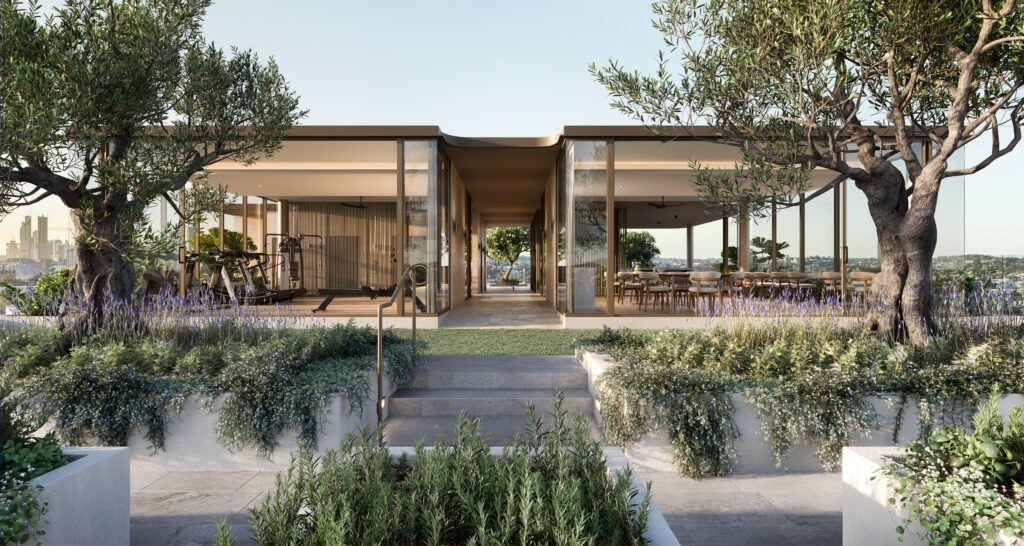
Resort-style living is appealing, but only when it’s practical. The best developments offer amenities that genuinely support wellness, connection, and privacy; rooftop gardens, pools, libraries, and entertaining spaces that aren’t overly programmed or performative.

“I liked the idea of a shared dining room for family birthdays,” said Gail, a retired educator in Southport. “But I also wanted quiet and a lift that doesn’t take five minutes to arrive.”

🔹 Future-Ready Design

This next move often carries the weight of being the last major move. So functionality isn’t just about today, it’s about 10 years from now. Step-free access, quality acoustic insulation, and energy-efficient appliances all contribute to long-term confidence.

“It had to feel like home now and make sense later. If I broke my leg tomorrow, could I still live here easily? That’s what I asked myself,” said Rob, 70.

🔹 A Home That Still Feels Personal

Perhaps the most overlooked factor in rightsizing? Emotional clarity. Many downsizers describe a moment of recognition; walking into a display and thinking, I can see myself here.

It’s not just about ticking boxes. It’s about finding warmth, comfort, and design that feels calm and considered.

Moving When the Moment Feels Right

The Queensland apartment market in 2024–2025 is moving quickly — especially for high-quality stock in boutique developments. Downsizers are now competing not just with each other, but with interstate relocators and SMSF buyers seeking similar outcomes: low-maintenance, lifestyle-led residences in premium locations.

Being ready means being informed, not pressured. It means understanding your non-negotiables, having clarity around your questions, and taking action when the right fit appears.

Supporting the Next Chapter, Properly

At Slaite Project Marketing, we partner with some of Queensland’s most experienced developers to offer a more considered pathway into off-the-plan living. We understand that downsizing isn’t about giving up space, it’s about gaining something more aligned.

If you’re seeking a new home that honours your standards, supports your lifestyle, and provides the confidence that comes with quality and delivery integrity, we’re here to guide the process.

📍 Explore what’s on offer → View Current Projects

How to Know It’s the Right Next Move: A Smarter Way to Upsize Off the Plan

KEY TAKEAWAYS

  • Upsizing off the plan is about lifestyle alignment, not just more space. Focus on what fits your future, not just your furniture.

  • Liveability, longevity and community matter more the second time around. Prioritise floorplans, finishes and neighbourhoods that reflect how you want to live.

  • Trust is just as important as design. Look closely at the developer’s track record, inclusions and delivery confidence before committing.

  • Clarity is what gives you confidence, not certainty. When the layout, location and team feel aligned, it’s usually a good sign you’re on the right track.

Upsizing isn’t just about more space. It’s about long-term fit, future-proofing, and making a decision that reflects where your life is now, and where it’s going.

In Queensland’s evolving property landscape, experienced buyers are increasingly turning to off the plan developments to find a new kind of home. They’re not chasing trend or compromise. They’re looking for a residence that delivers on both lifestyle and logic.

That means bigger isn’t always better. Better is better.

Off-the-Plan Isn’t Just for First-Time Buyers or Investors

In recent years, more established owner-occupiers have entered the off-the-plan market, not to start fresh, but to level up. These are experienced buyers, often in dual-income households already owning property. They’ve outgrown their current home and are seeking something that actually fits the life they’ve built.

According to industry data from PropTrack, demand for larger apartments in Brisbane and the Gold Coast is rising. These buyers are prioritising walkabilityhigh-quality finishes, and low-maintenance living without sacrificing flow or family function.

It makes sense. With the pace of life only accelerating, the appeal of moving into a lock and leave home that reflects your standards and values has never been higher.

Why Upsizers Think Differently

If you’ve bought before, you already know the questions worth asking. You’re less interested in fluffy lifestyle copy and more focused on how the home will actually work for you.

That experience matters as it shapes what you’ll tolerate and what you won’t.

Here’s what tends to rise to the top for upsizers:

🔹 Liveability

The layout needs to work in practice, not just look good on a floor plan. You’re thinking about where the second workspace goes, how guests will flow through the kitchen and dining area, and whether the balcony is deep enough to actually use. Liveability is about functionality, yes – but also flow. It’s about knowing your everyday rhythms won’t be compromised just because the finishes look good in the brochure.

🔹 Longevity

This isn’t a five-year fix. It’s a home you expect to grow into, not out of. That means considering more than what feels exciting now. It’s asking how the space will support your lifestyle in a decade. Is it designed with adaptability in mind? Can it serve different seasons of family life including teenagers, guests, or ageing parents? And does it still make sense if your priorities shift? Longevity doesn’t mean forever. It just means forward-thinking.

🔹 Location & Community

It’s not just about the apartment, it’s about what life looks like beyond the front door. Proximity to schools, walkability, green space, and a sense of belonging matter more when you’re investing in your next chapter. Many upsizers are moving not just for the extra bedroom, but for a better lifestyle. Whether it’s a shorter commute, staying within the right school catchment, or being part of a like-minded neighbourhood, community is a big part of what makes a home feel right.

🔹 Delivery Confidence

You’re not just buying the plan. You’re buying the people behind it. Who is the developer? What have they delivered before? Are inclusions fixed and clearly documented or subject to change? Getting these answers upfront helps reduce risk and uncertainty later. Confidence in delivery means fewer surprises, more transparency, and a team that respects the calibre of decision you’re making.

🔹 Emotional Alignment

This is a values-based purchase as much as a practical one. You’ve done the logic. But you also want to feel something. This home needs to reflect the life you’ve built and support the one you’re growing into. That might mean architectural integrity, better flow, or simply waking up in a place that feels like you. Emotional alignment doesn’t mean buying on impulse. It means listening to that quiet instinct that says, “This feels right.”

What the Market’s Doing and Why That Matters

In 2024 – 2025, Queensland’s apartment market has seen a steady shift toward premium, off-the-plan supply that caters to discerning owner-occupiers.

  • Inner-urban locations like NewsteadWest End, and Broadbeach are seeing strong uptake from upsizers who want lifestyle without sacrifice.
  • Apartment designs are getting smarter, with larger floor plans, fewer units per floor, and a greater focus on amenity and quality.
  • As land constraints tighten and construction costs continue to impact build viability, early access to high-quality projects is becoming a strategic move.

In short: good stock moves fast. And high-performing developers are increasingly designing for buyers like you.

So How Do You Know When It’s the Right Move?

No one can remove 100% of the uncertainty but that doesn’t mean you can’t make a confident decision.

Here’s what clarity often looks like for upsizers:

✅ You’ve done the research, but the layout and location still stand out

✅ You feel seen by the developer and the sales team – not sold to

✅ The project matches both your lifestyle and your long-term goals

✅ You’re not being rushed, but you don’t feel like you’re waiting for something better to appear

What gives you confidence isn’t certainty, it’s clarity about what matters to you.

What Matters Most Isn’t Square Metres, It’s Alignment

The smartest upsizing decisions aren’t rushed, they’re informed. They come from matching financial logic with emotional fit and giving yourself time to feel it out properly. If you’re at the point where your current place no longer reflects how you want to live, it might be time to consider what’s next.

Your Next Chapter, Backed by Experience and Insight

At Slaite Project Marketing, we partner with some of Queensland’s most trusted developers to curate off-the-plan projects that deliver long-term value, thoughtful design, and genuine lifestyle alignment.

If you’re upsizing from a home that no longer fits or planning the next decade with greater clarity, our team is here to help you assess your options, ask the right questions, and move forward with confidence.

📍 Explore what’s on offer → View Current Projects

Why Buying Off the Plan Feels So Big and How to Decide with Confidence

KEY TAKEAWAYS

  • Off-the-plan decisions are layered – they demand more than research and require personal clarity to feel confident.
  • Emotion plays a valid role; gut instinct, when paired with logic, is a powerful part of making a well-rounded decision.
  • Too much choice creates noise. Clarity comes from knowing your non-negotiables
  • Confidence matters more than certainty

Off the plan decisions come with a different kind of weight.

You’re putting down a deposit on something you can’t fully see, walk through or experience yet.

Floor plans, display suites and artist renders are tools, but not the whole picture. You’re being asked to project forward, to imagine furniture against walls that haven’t been built, and to trust in something still in progress.

Even when the budget is clear, the suburb feels right and your non-negotiables are in order, there’s often a quiet question that lingers.

Is this the right move? Or am I missing something?

That pause isn’t doubt. It’s discernment.

It matters. Especially in a decision that lives at the intersection of logic, instinct, aspiration and the unknown.

Information helps. But clarity? That comes from understanding how you make decisions – not just what the marketing says.

This isn’t just a purchase. It’s a decision about how your future will take shape.

Buying off the plan asks you to look ahead, not just at what you want now, but at the kind of life you’re planning toward.

For some, it’s about timing an investment with early growth. For others, it’s about creating a home that fits what’s next. Either way, the decision is shaped by how a space will function, feel and support you over time.

These are the questions that bring clarity into focus:

  • Will this layout work for the way I live, both now and a few years from now?
  • Does the design reflect a genuine need, or is it just aesthetically impressive?
  • If timelines shift or plans evolve, will this still serve me well?

Confidence builds when your answers feel grounded. Not perfect, but considered and steady.

Emotional Cues Help Clarify Fit

Even the most detail-driven buyers respond to how a space feels.

Light, space and materials shape how we respond to a place often before we can explain why. They help us register comfort, familiarity and flow.

Explore:

  • What is it about this space or presentation that’s drawing me in?
  • Is this excitement, or something more surface-level?
  • Am I responding to something that genuinely fits, or something that just looks impressive?

Treat emotion as part of the data set. Paired with sound reasoning, it gives you a more complete picture and often highlights alignment before the numbers do.

Too much choice doesn’t always create freedom. Sometimes it creates fatigue.

With dozens of off the plan listings across South East Queensland, the search can become noisy quite quickly. One inspection leads to another. One floor plan triggers three new listings. Before long, the process feels less like a decision and more like a loop.

That’s where decision fatigue creeps in, not because there’s too little to go on, but because there’s too much.

To reset:

  • Name your genuine non-negotiables: the things that can’t be traded away
  • Separate preferences from priorities and be honest about what matters most
  • Focus on what this property needs to do for your lifestyle or goals, not just how it compares on paper

This isn’t about choosing the most impressive project. It’s about recognising the one that makes sense for your life, your timing and your trajectory.

The hardest part often isn’t risk…it’s uncertainty.

Off the plan decisions come with moving parts. Timelines shift, inclusions vary, markets move. But what causes the most anxiety often isn’t the risk itself, it’s the absence of clear information.

Ambiguity creates unease. Clarity builds confidence.

Ask sharper questions:

  • Who is delivering the project and what have they completed before?
  • Are the inclusions and finishes clearly defined in the contract?
  • What protections are in place if things change?

Once the unknowns are identified, the risks become measurable and that’s when trust has room to grow.

Trust is built through the process, not just the pitch.

You don’t need to feel ready from day one. Confidence often builds slowly through steady, respectful and transparent interactions that make space for questions.

So pay attention to the experience itself:

  • Are your questions being answered clearly and directly?
  • Is the sales process consistent, well-informed and communicative?
  • Do you feel heard, or hurried?

Alignment isn’t just about the property. It’s reflected in how the people behind it operate. When that alignment is strong, decisions tend to land more naturally.

Certainty is rare. Confidence is enough

Buying off the plan will never come with guarantees. But that doesn’t mean it has to feel like a gamble.

Most buyers won’t feel 100% sure. Instead, what you need is to feel clear, informed and steady. In most cases, 70% confidence with strong alignment is a sign you’re close — especially when the right support is behind you.

Because real clarity doesn’t come from knowing everything. It comes from knowing what matters to you, and backing that with thoughtful, well-paced decisions.

Most buyers won’t feel 100% sure and that’s completely normal. What matters more is feeling clear, informed and steady in your reasoning. In decision-making psychology, around 70% confidence is often considered the point at which action becomes both rational and practical.

As behavioural economist Herbert A. Simon explains:

“To make a decision, we do not need complete information. Only sufficient information to feel that the choice is good enough for our goals and constraints.”

In other words, it’s not about certainty. It’s about alignment.

When your fundamentals feel sound and the decision reflects your values, 70% clarity is often enough, especially with the right support behind you.

When you’re ready to move forward, we’re here to help

At Slaite Project Marketing, we partner with Queensland’s most trusted developers to curate off-the-plan residences that combine long-term value, thoughtful design and lifestyle alignment.

Whether you’re buying your first property, upgrading into something more functional, or investing in your next asset, we help you cut through the noise and move forward with clarity.

📍 Explore what’s on offerView Current Projects

What I Wish I Knew Before Buying My First Place (Off the Plan)

KEY TAKEAWAYS

  • Buying your first home off the plan is emotional as well as practical. Trust your instincts and learn from those who’ve done it before.
  • A strong developer reduces risk when buying off the plan. Look beyond the render and ask about delivery history, inclusions and buyer experience.
  • The display suite is there to support your off-the-plan decision. Take your time, ask what matters and don’t feel rushed.

When you’ve saved for years, scrolled through listings for months, and still can’t step inside… how are you meant to know it’s the one?

At Slaite, we’ve helped hundreds of first-home buyers navigate this exact moment. We’ve seen what brings clarity, what builds confidence, and what buyers often wish they’d known sooner.

Here’s what they’ve shared with us.

“I thought I needed to feel 100% sure — I didn’t”

Buying your first home off the plan comes with a unique blend of excitement and uncertainty. You’ve read the floorplan, walked through the display suite, maybe even taped out the living room on your own floor.

But that question still lingers:

“What if it’s not what I think it is?”

That feeling is completely normal. When you’re buying something you can’t yet step inside, the decision isn’t based on inspection, it’s built on clarity.

It’s natural to want total assurance, especially with something as big as a first home. But buying off the plan is rarely black and white. Confidence doesn’t come from knowing everything. It comes from knowing what matters to you and backing yourself to ask the right questions.

That means understanding how the floor plan suits your day-to-day. It means researching the developer’s reputation, and getting a sense of their past work. And it means acknowledging the nerves without letting them override your instincts.

With the right support, clarity turns into confidence, helping you choose what’s truly right for you.

A floor plan only makes sense when you map it to real life

At first glance, a floor plan can feel like a puzzle. All numbers, lines, and labels. What does 180m² actually look like in real life? How wide is that hallway? Will your couch even fit?

If you’ve never bought property before, it’s normal for floor plans to feel abstract. But they’re one of the most useful tools in helping you understand how a space could work for you.

💡Helpful tip: Use a familiar space like your apartment or office as a visual reference. If your existing place is 270m² and the floor plan you’re considering is 180m², that comparison can help you get a sense of how the layout might feel. You can even mark out a room or hallway using painter’s tape to visualise the dimensions and bring the plan to life.

Once you’ve got a sense of the scale, take it one step further:

  • Can you imagine your daily routine in this layout?
  • Is there room for a desk that won’t take over the dining table?
  • How do you move between kitchen, living, and balcony?
  • Will your bedroom feel restful and private?

You don’t need to see the space to understand how it might work, just a clear sense of how you live, and what will make that feel easy, calm, and comfortable.

“The render got my attention, but the developer earned my trust”

Renders are made to inspire. They help you picture the finishes, the layout, and the feel of a space. But when you’re buying off the plan, what matters just as much is who’s responsible for actually building it.

The developer and builder set the tone for everything that follows. Before getting caught up in the styling, take a closer look at the team behind the project. Ask:

  • Have they delivered similar buildings before, and were they completed on time?
  • Are the inclusions clearly listed and confirmed in the contract?
  • What do previous buyers say about their experience?

A strong developer doesn’t just bring design to life. They reduce risk, protect your investment, and follow through on what’s promised. This is how you move from uncertainty to real peace of mind.

Because a good render might catch your attention, but a reliable team gives you something solid to stand on.

The display suite is there to support your decision, not pressure it

Walking into a display suite can feel exciting. It can also feel a little overwhelming.

“Walking into the display suite, I felt a mix of excitement and pressure. Was I supposed to make a decision then and there? Would asking too many questions make me look unsure?”

You might wonder if you’re expected to make a decision on the spot, or if asking too many questions will make you seem unsure. That feeling is valid, and common.

But good sales agents want the same thing you do: the right buyer in the right home. They’re not there to pressure you. They’re there to guide, clarify, and help you decide if this apartment is a good fit for your life and your budget.

To get the most out of your visit, come prepared to ask the questions that matter:

  • Request the detailed inclusions list so you’re clear on what’s standard and what’s considered an upgrade
  • Compare the actual materials and finishes – not just the styling or staging
  • Ask what’s flexible and what’s already locked in when it comes to layout and design

You don’t need to walk in knowing everything. That’s the point of the visit.

Take your time. Walk through more than once if you need to. Get specific about what matters to you. The more clearly you communicate your needs, the more confidently you’ll be able to assess whether the project is right – or if it’s worth keeping an eye on something else.

Emotions show you what really matters, if you let them in

Buying a home isn’t just financial. It’s emotional.

Especially when you’re buying off the plan. You’re making a big decision based on floor plans, renders, and future projections, while quietly imagining what your everyday life could look like inside.

From how your mornings start to where you’ll eat dinner or host friends, you’re not just buying a space. You’re choosing how you want to feel at home.

“I learned that letting emotion into the process didn’t cloud my thinking, it clarified it. I started noticing which spaces felt right and which ones didn’t. I stopped over-rationalising and started tuning into alignment.”

When you let those feelings into the process, you make more grounded decisions. You begin to notice what feels right, what doesn’t quite sit, and where your priorities actually lie.

If you’re feeling unsure, that’s completely normal. Most first-home buyers do at some point.

💡Helpful tip: Talk to someone who’s done it before; a friend, a sibling, or someone who gets what you’re going through. Hearing how others navigated their first-home journey can offer perspective and help you feel more grounded when the decision starts to feel overwhelming.

This is a big move. You don’t need all the answers up front. You just need the space and support to ask the right questions and the clarity to know when something feels genuinely right.

“The contract looked intimidating, but it became my safety net”

When you buy an apartment off the plan, you’re committing to something that hasn’t been built and signing a contract before the building exists. That means your contract is doing a lot of the heavy lifting. It sets the expectations, outlines the obligations, and protects your interests when you know what to look for.

Off-the-plan contracts can be complex. There may be clauses about sunset dates, changes to plans, inclusions, or timelines. That’s why getting legal advice from someone who understands this type of purchase is so important.

Here’s how to make sure you feel clear and protected:

  • Work with a solicitor who knows off-the-plan – they’ll spot red flags and explain terms clearly
  • Get a full inclusions list so you know exactly what you’re buying
  • Clarify how your deposit is held. In Queensland, deposits must be held in a trust account by law
  • Ask how changes are handled, especially if plans evolve during construction

The contract is there to protect you, not just the developer. But it only works in your favour when you take the time to read it, ask questions, and get expert guidance. This doesn’t need to feel overwhelming. In fact, understanding your legal position can become one of the most empowering parts of your decision.

At Slaite Project Marketing, We Guide First-Time Buyers With Real Support

We partner with some of Queensland’s most trusted developers to bring thoughtfully designed, off-the-plan residences to first-home buyers ready to take that next step.

Whether you’re exploring options or preparing to buy, we’ll help you understand the process, compare your choices, and feel confident every step of the way.


📍 Explore what’s on offerView Current Projects